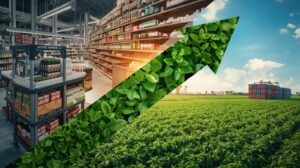

In an age where conscious consumption is shaping every industry, from fashion to food, the sweetener segment is experiencing a much-needed revolution. As concerns over health, wellness, and environmental impact rise, consumers and manufacturers alike are exploring alternatives to traditional sugar and artificial sweeteners. One such hero in this transformation is Stevia—a natural, zero-calorie sweetener that is not just healthier but significantly more sustainable.
This tiny leaf is having a big impact. Here’s how Stevia is changing the sweetening industry for good.
The Problem with Conventional Sweeteners
For decades, refined sugar has dominated the global sweetener market. Its ubiquity in processed foods and beverages has had dire consequences. From contributing to rising rates of obesity and diabetes to causing environmental degradation through water-intensive and land-heavy farming practices, sugar’s downside is well documented.
Artificial sweeteners, introduced as sugar substitutes, brought their own set of challenges. Chemical compounds like aspartame and sucralose have been linked to potential health concerns, microbiome disruption, and even regulatory scrutiny. Moreover, these synthetic options fail to align with the growing consumer demand for clean labels and plant-based ingredients.
Enter Stevia: Nature’s Sweet Solution
Derived from the leaves of the Stevia rebaudiana plant, Stevia is a natural, zero-calorie sweetener that offers 200–300 times the sweetness of sugar. The plant has been used for centuries by indigenous communities in South America, but it’s only in the past two decades that it has gained global popularity as a modern food ingredient.
What makes Stevia truly remarkable is not just its origin or sweetness—but its potential to redefine health and sustainability standards in the sweetening industry.
1. Health Benefits: Sweet Without the Guilt
One of the biggest advantages of Stevia is its zero glycemic index, which makes it an ideal sweetener for people with diabetes and those watching their carbohydrate intake. Unlike sugar, Stevia doesn’t cause blood sugar spikes, making it a smart choice for both consumers and healthcare professionals promoting metabolic health.
In an age of rising lifestyle-related diseases, Stevia offers a natural way to reduce sugar consumption without compromising taste—an increasingly vital goal for food and beverage (F&B) brands.
2. Clean Label & Consumer Trust
Modern consumers are reading labels. They want to know what’s in their food—and more importantly, what’s not. The “clean label” movement emphasizes transparency, minimal processing, and natural ingredients. Stevia checks all the right boxes. It’s plant-based, non-GMO, and free from chemicals or synthetic additives.
F&B brands across the globe are now replacing synthetic sweeteners with Stevia to gain consumer trust and deliver a cleaner product without compromising on sweetness. This shift is especially evident in beverages, dairy, confectionery, and even baked goods.
3. Environmental Impact: A Low-Carbon Sweetener
Compared to traditional sugarcane and beet sugar farming, Stevia cultivation has a significantly lower environmental footprint:
- Less land usage: Stevia plants require just a fraction of the land needed to produce the same sweetness as sugar crops.
- Lower water consumption: Stevia is a drought-resistant plant, making it more sustainable in water-scarce regions.
- Reduced greenhouse gases: With less resource intensity and shorter growth cycles, Stevia’s carbon emissions are substantially lower than that of sugar production.
In a world grappling with climate change and resource depletion, this makes Stevia not just a healthy alternative—but a planet-friendly one too.
4. Innovation in Formulation
The early challenges of Stevia—such as its slightly bitter aftertaste—have largely been overcome through extraction technologies and blending innovations. Advanced food science has helped isolate the best-tasting steviol glycosides (like Reb A, Reb D, and Reb M) to ensure a smoother, more sugar-like profile.
Today, companies are customizing Stevia blends to suit different applications—be it carbonated drinks, ice creams, yogurts, sauces, or chocolates. This adaptability is fueling widespread industry adoption.
5. Economic Advantage for Manufacturers
While Stevia may seem premium at first glance, its high sweetness intensity means significantly less quantity is required compared to sugar. Over time, this results in cost savings—especially for large-scale manufacturers looking to reduce product weight, shipping costs, and calorie counts without sacrificing sweetness.
Additionally, Stevia’s shelf stability and compatibility with other natural ingredients make it a strategic investment in product longevity and quality.
6. Meeting Global Sugar Reduction Goals
Governments and health bodies worldwide are pushing for reduced sugar intake through new regulations, sugar taxes, and public health campaigns. Brands that switch to Stevia are better equipped to meet these compliance standards, stay ahead of regulatory changes, and align with public health goals.
In this context, Stevia isn’t just a sweetener—it’s a strategic tool for industry transformation.
The Future is Naturally Sweet
The sweetener aisle is undergoing a massive change. Stevia stands at the forefront—not as a fleeting trend, but as a sustainable, scalable, and science-backed solution that satisfies the cravings of both the health-conscious and the environmentally aware.
As consumers continue to demand healthier, more transparent, and sustainable food options, F&B companies embracing Stevia are not just future-proofing their brands—they are leading a sweet revolution with long-lasting impact.