The Sweet Deception
In the era of sugar-free diets and calorie-conscious living, sucralose has become a go-to sugar substitute for millions. Found in everything from diet sodas to protein bars and sugar-free chewing gum, it’s often marketed as a “safe,” “zero-calorie,” and “diabetic-friendly” sweetener. But is it really?
Behind its appealing promise lies a not-so-sweet truth. Sucralose, though chemically similar to sugar, is far from natural—and its long-term effects are raising red flags across the globe. It’s time we decode sucralose, remove the sugar mask, and understand what it truly brings to the table.
What Exactly is Sucralose?
Sucralose is an artificial sweetener derived from sucrose (table sugar) through a chemical process that replaces three hydroxyl groups with chlorine atoms. This modification makes it 600 times sweeter than sugar, and your body can’t break it down, meaning it passes through the digestive system without providing calories.
Sounds smart, right? But hold on…
While it’s marketed as a clever no-calorie sugar alternative, the way sucralose interacts with our bodies—and our microbiome—is more complex than the labels let on.
Where is Sucralose Found?
You’ve probably already consumed sucralose without realizing it. It’s hidden behind terms like:
- “No added sugar”
- “Sugar-free”
- “Zero calories”
Look at the labels of:
- Diet sodas
- Protein shakes
- Sugar-free desserts
- Low-carb snacks
- Flavored water
- Chewing gums
- Toothpaste
Yes, even toothpaste.
Why is Sucralose Under Scrutiny?
Although sucralose was initially approved as safe by regulatory bodies like the FDA, newer research has started to cast doubt on its long-term safety. Here’s why more health-conscious consumers are thinking twice:
1. Gut Microbiome Disruption
Your gut is home to trillions of beneficial bacteria. These microbes help with digestion, immunity, and even mental health. Recent studies suggest that sucralose can reduce healthy gut bacteria and alter microbiome balance—even at doses previously considered safe.
This disruption can lead to:
- Digestive issues
- Increased inflammation
- Weakened immune function
2. Heat Instability and Toxic Byproducts
Sucralose is marketed as “stable under heat,” but studies show otherwise. When heated (like during baking or cooking), sucralose can break down into harmful chlorinated compounds—some potentially carcinogenic. So, that sugar-free cupcake? It may come with hidden risks.
3. Potential Impact on Insulin Response
Ironically, some studies indicate that sucralose may still affect insulin sensitivity. In certain individuals, it has been shown to cause a rise in blood insulin levels, especially when consumed with carbs. This contradicts the very reason many diabetics and weight-watchers turn to sucralose in the first place.
4. Environmental Hazard
Sucralose doesn’t just pass through our bodies—it also passes through water treatment plants. It’s been detected in rivers, lakes, and even drinking water. Because it’s non-biodegradable, it poses a long-term threat to aquatic ecosystems.
5. Taste Training and Cravings
Though calorie-free, sucralose still trains your brain to crave sweetness. This can increase your desire for other sweet, high-calorie foods, derailing weight-loss efforts and healthy eating patterns. In short, it may fool your taste buds but not your metabolism.
But It’s FDA Approved—Isn’t That Enough?
Yes, sucralose has FDA approval—but so did trans fats at one point. Regulatory approval often comes before long-term studies can catch up. Over the years, many substances once deemed “safe” were later linked to chronic diseases and pulled from the market.
Health and nutrition science evolves. And it’s our responsibility as consumers to stay informed.
So, What Are the Better Alternatives?
Thankfully, the sweetener world has evolved beyond chemical substitutes. Natural options like:
- Stevia
- Monk fruit extract
- Date Syrup or Date Paste (in moderation)
…offer sweetness without the risks associated with artificial additives.
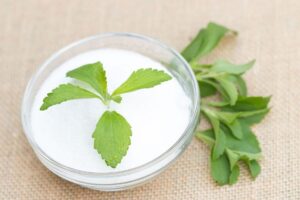
Stevia, in particular, stands out. It’s plant-based, zero-calorie, and doesn’t interfere with your microbiome or insulin levels. It’s even recognized by WHO and FDA as safe for routine consumption.
Final Thoughts: Don’t Be Fooled by the Sugar-Free Label
Sucralose may wear a sugar mask, but it’s time to unmask the facts. While it may offer a quick fix for sugar reduction, the long-term consequences could outweigh the benefits. What seems sweet on the surface may not be so sweet beneath.
In the pursuit of health, let’s not settle for less harmful—let’s aim for truly beneficial.