The Indian kitchen runs on sweetness—from morning chai to evening mithai, sugar is woven into every meal. But as health awareness rises and diabetes affects over 101 million Indians, home cooks and professional chefs alike are searching for ways to reduce sugar without losing the flavours they love. Stevia in cooking and baking offers exactly this: a plant-based, zero-calorie sweetener that is heat-stable up to 200°C, FSSAI-approved, and 200–300 times sweeter than sugar. This guide covers everything from conversion ratios and texture adjustments to Indian recipe adaptations, helping you transform your kitchen into a sugar-free cooking space without compromising on taste.
Understanding Stevia Forms: Powder, Liquid, and Blends
Before diving into recipes, selecting the right stevia for cooking format is essential. Stevia is available in three primary forms, each suited to different culinary applications. Liquid stevia extract works best in beverages, smoothies, salad dressings, and any liquid-based preparation where it dissolves instantly and distributes evenly. Powdered stevia is ideal for dry mixes, spice rubs, and recipes where precise measurement matters. Granulated stevia blends—typically combined with erythritol or other bulking agents—offer cup-for-cup sugar replacement and are most convenient for baking where volume matters.
For purest results in Indian cooking, high-purity steviol glycoside extracts like Steviatech’s INSTEVIA® deliver consistent sweetness without fillers or aftertaste. The de-bittered Reb M profile ensures that sweetness reads clean across both sweet and savoury applications—critical when balancing the complex spice profiles of Indian cuisine.
Stevia-to-Sugar Conversion: The Essential Chart
The most common question in stevia baking guide discussions is conversion. Because stevia is dramatically sweeter than sugar, quantities are much smaller. As a general guideline: one teaspoon of pure powdered stevia replaces approximately one cup of sugar. In liquid form, 15–20 drops of concentrated stevia extract equal one tablespoon of sugar. One-quarter teaspoon of powdered stevia approximates three-quarters cup of sugar. These ratios vary by brand and purity, so checking manufacturer guidelines is always recommended. Steviatech’s standardised extracts provide batch-consistent sweetness, reducing the trial-and-error that plagues inconsistent stevia products.
A practical tip: when first adapting a recipe, start with slightly less stevia than the conversion suggests and taste-test before adding more. Stevia’s sweetness has a slightly different onset curve than sugar—it builds gradually—so allowing a few minutes after mixing before tasting gives a more accurate reading of final sweetness.
Baking with Stevia: Texture, Volume, and Browning Solutions
Sugar does more than sweeten baked goods—it provides bulk, retains moisture, enables browning through caramelisation, and feeds yeast in bread. Baking with stevia requires addressing each of these functions separately. For bulk replacement, add one-third cup of a bulking agent—such as unsweetened applesauce, mashed banana, plain yogurt, or pumpkin puree—for every cup of sugar replaced. These additions maintain structure while contributing minimal calories.
Moisture retention is handled by the bulking agents themselves, but reducing oven temperature by 10–15°C and shortening bake time by a few minutes prevents over-drying. Since stevia does not caramelise, baked goods will not brown as deeply—use a toothpick test for doneness rather than relying on colour. For recipes where browning is essential to taste and texture (like cookies or crème brûlée), a hybrid approach using 50% sugar and 50% stevia reduction delivers both sweetness reduction and the Maillard reaction that creates golden colour and nutty flavour.
Indian Recipe Adaptations: From Chai to Kheer
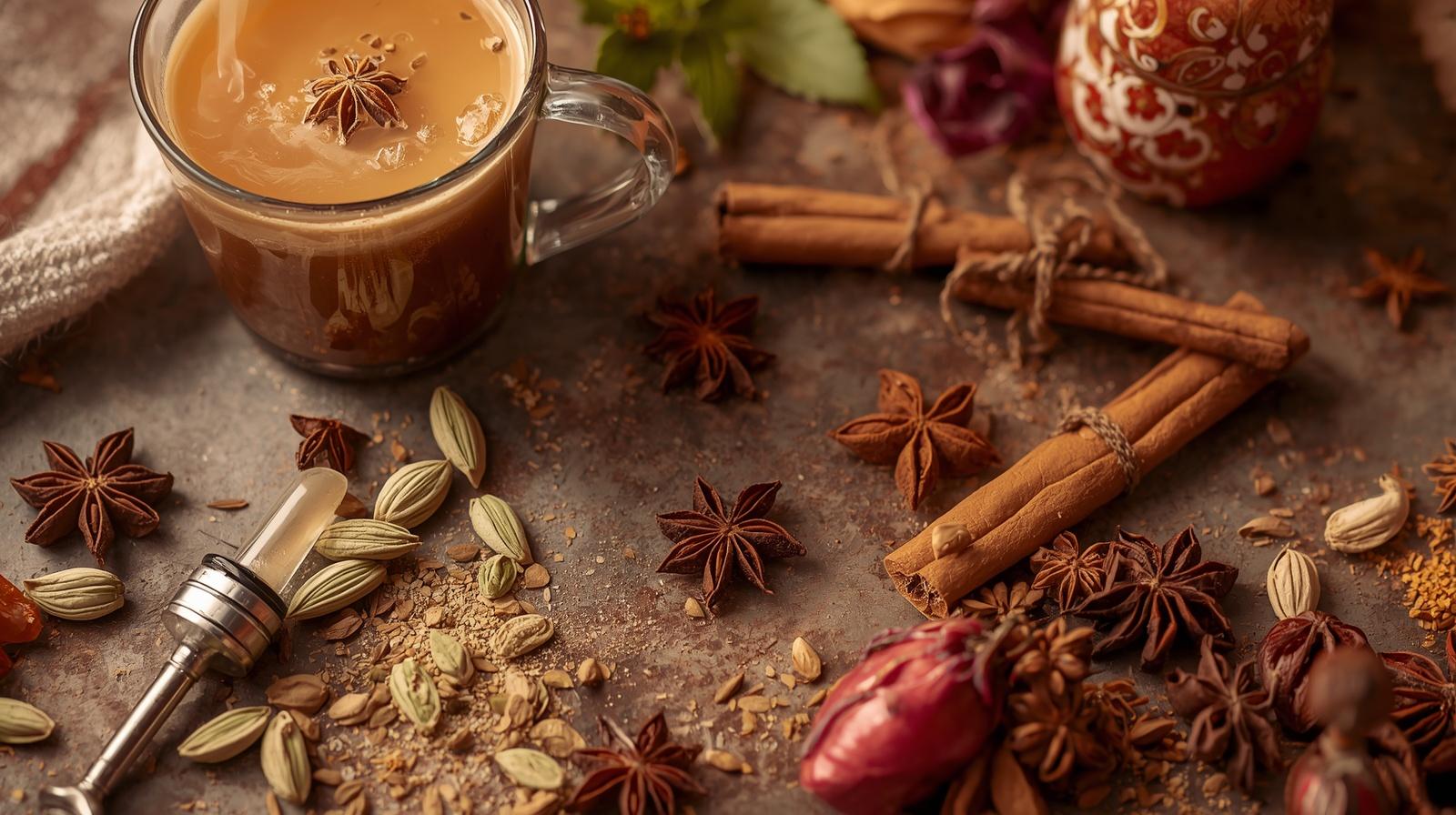
Stevia recipes Indian kitchen adaptations span everyday beverages to festive desserts. For chai, replace sugar entirely with 3–4 drops of liquid stevia per cup—add after brewing, as stevia’s sweetness is fully stable in hot liquids. For lassi and buttermilk, 2–3 drops per glass create traditional sweetness at zero calories. Lemonade (nimbu pani) and jaljeera benefit from stevia’s clean sweetness that does not mask the citrus and spice notes.
In cooking, stevia excels in chutneys (tamarind, mint-coriander), where it balances acidity without sugar’s glycemic load. Tomato-based gravies that traditionally include a pinch of sugar for rounding can use 1–2 drops of liquid stevia instead. For desserts, rice kheer can be sweetened with stevia after cooking (add to slightly cooled kheer for best taste distribution). Shrikhand, fruit custard, and mango lassi adapt beautifully. For heavier sweets like gulab jamun or jalebi where sugar syrup plays a structural role, partial replacement (reducing sugar by 40–50% and supplementing with stevia) offers a practical middle path.
Heat Stability: Why Stevia Works Where Others Fail
One of stevia’s strongest advantages for cooking is heat stability of stevia. Unlike some artificial sweeteners that break down or develop off-flavours at high temperatures, stevia remains stable up to 200°C (392°F). This makes it compatible with virtually every Indian cooking method—boiling, simmering, sautéing, baking, and even pressure cooking. Tadka preparations, curry bases, and dessert syrups all maintain their stevia-sweetened profiles through the full cooking process.
For commercial food manufacturers, this thermal stability is equally critical. Steviatech’s extracts maintain sweetness integrity through pasteurisation, UHT processing, retort packaging, and extended shelf storage—ensuring that products sweetened at the factory taste identical months later on the retail shelf.
Common Mistakes and How to Avoid Them
Home cooks new to cooking with stevia often encounter predictable challenges. Over-sweetening is the most common—because stevia is so concentrated, even a small excess creates overpowering sweetness. Solution: measure precisely and start conservatively. Bitter aftertaste occurs with low-purity extracts containing high stevioside ratios; switching to Reb M-dominant products like Steviatech’s TASTEVIA™ eliminates this issue. Flat or dense baked goods result from not compensating for sugar’s bulk—always add a bulking agent when replacing more than 25% of the sugar in a recipe.
Another common oversight: adding stevia too early in recipes where sugar would dissolve during cooking. While stevia dissolves readily in liquids, in dry preparations, pre-dissolving stevia in a small amount of warm water before incorporating ensures even sweetness distribution throughout the dish.
From Home Kitchen to Commercial Production
The principles of stevia sugar replacement scale from home cooking to industrial food production. For home cooks, Steviatech’s retail-format extracts deliver convenience and consistency. For food manufacturers, bakeries, restaurant chains, and cloud kitchens, Steviatech’s B2B high-purity glycoside extracts enable standardised sugar reduction across menus and product lines. Custom blending services allow commercial clients to develop proprietary sweetness profiles tuned to their specific recipes and customer preferences.
Whether you are sweetening a single cup of chai or reformulating an entire product range, the science and the solutions are ready. Visit www.steviatech.com to explore stevia extracts for your kitchen or your business—and discover how sweetness and health can coexist on every plate.