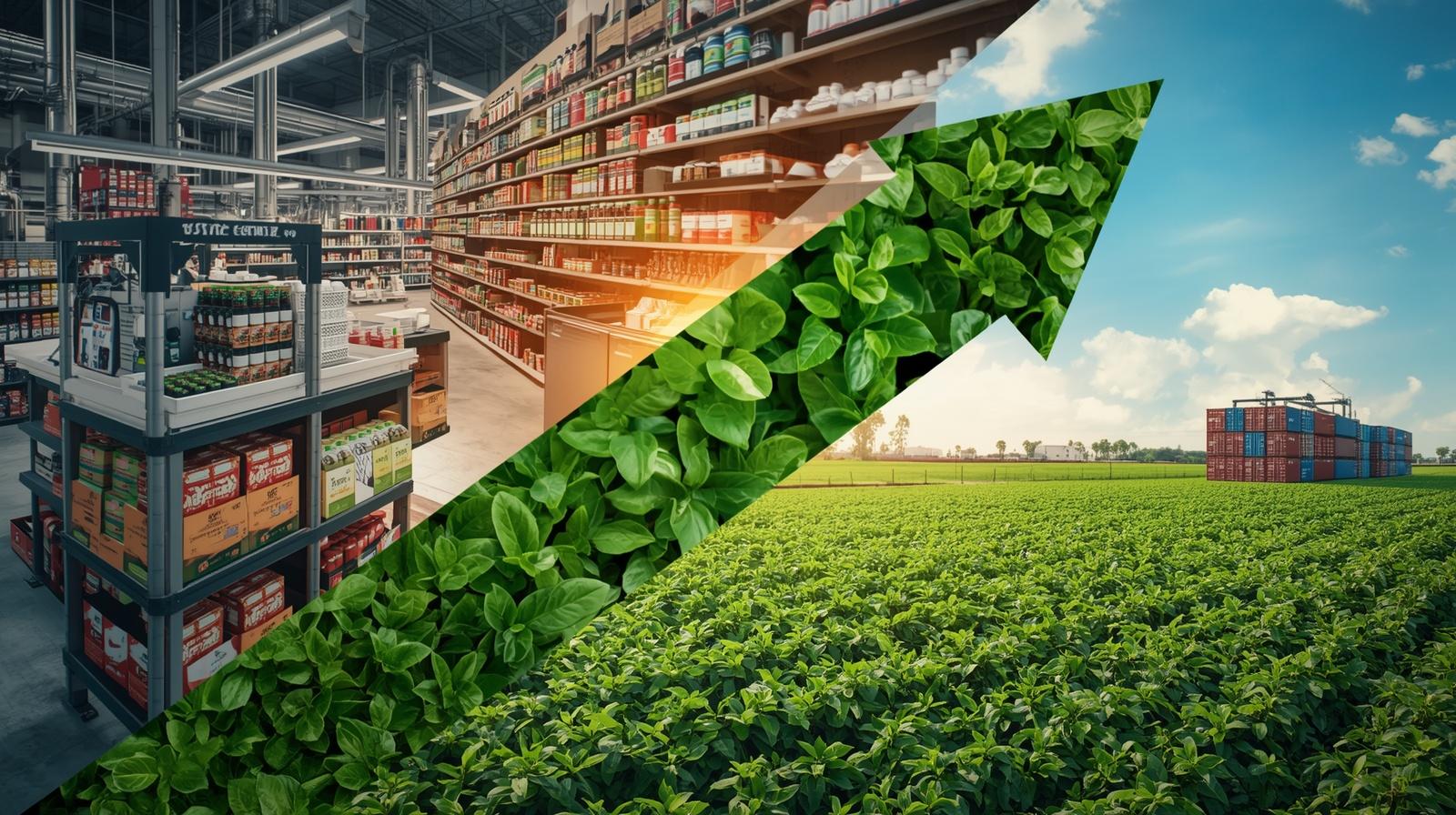
India’s stevia market has crossed the inflection point from niche health ingredient to mainstream industrial sweetener. Valued at approximately USD 53–74 million in 2024 depending on the research methodology, the India stevia market is projected to surpass USD 100 million by 2032–2033, growing at a compound annual growth rate (CAGR) of 6–11% across various analyst estimates. This growth is not speculative—it is being driven by converging forces of public health urgency, regulatory evolution, consumer behaviour shifts, and industrial reformulation at scale. For manufacturers, investors, and food industry stakeholders, understanding the structure and trajectory of stevia market growth India is essential to capturing the opportunity this decade presents.
The Diabetes and Obesity Catalyst
At the foundation of India’s stevia market expansion is a public health crisis of unprecedented scale. India is home to an estimated 101 million people with diabetes—a number that continues to climb across both urban and semi-urban populations. Obesity rates are rising in parallel, driven by sedentary lifestyles, processed food consumption, and high sugar intake. The natural sweetener market India exists precisely because of this health burden: consumers, physicians, and regulatory bodies are all pushing toward reduced sugar consumption as a primary intervention strategy.
The Indian government’s response has been multi-pronged. Through the National Programme for Prevention and Control of Non-Communicable Diseases (NP-NCD), over 6,200 health centres now offer diabetes screening and lifestyle modification guidance. FSSAI’s Eat Right India movement actively promotes sugar reduction. These institutional efforts create both consumer awareness and regulatory tailwinds that directly benefit stevia adoption across food, beverage, pharmaceutical, and nutraceutical categories.
FSSAI Regulatory Framework: Confidence and Compliance
FSSAI stevia approval India under INS 960 provides the regulatory foundation for commercial stevia adoption. High-purity steviol glycosides are permitted across multiple food categories—beverages, dairy, bakery, confectionery, and tabletop sweeteners—with specified maximum usage levels. This category-specific regulatory clarity gives food manufacturers the confidence to invest in reformulation without risking compliance failures.
India’s alignment with global regulatory standards—JECFA’s acceptable daily intake of 4 mg/kg body weight, US FDA GRAS status, and EFSA approval—positions Indian stevia products for seamless export compliance. For companies like Steviatech, which targets both domestic and international markets, this regulatory harmonisation simplifies dual-market strategies and reduces certification overhead.
Industry Segments Driving Demand
The stevia industry trends India reveal clear demand concentration across specific segments. Industrial applications—food and beverage manufacturing—account for the largest market share, representing approximately USD 39 million in 2024. This segment is also the fastest-growing, expanding at roughly 11.5% CAGR as major brands accelerate sugar reduction programmes across product portfolios.
Within industrial demand, beverages lead adoption. Carbonated drinks, flavoured waters, iced teas, ready-to-drink health beverages, and protein shakes are all incorporating stevia-based sweetener systems. Dairy follows closely, with flavoured yogurts, sweetened milk drinks, and ice cream brands reformulating for health-conscious consumers. Nutraceutical and pharmaceutical applications represent the highest-value segment on a per-unit basis, where stevia enables sugar-free formulations for dietary supplements, cough syrups, and diabetic-friendly medications.
The powder form dominates product format, accounting for over 90% of market volume. Powder’s advantages in shelf stability, transportation efficiency, and compatibility with large-scale manufacturing make it the preferred format for both B2B and retail channels. Direct tenders—where manufacturers procure stevia directly from extract producers like Steviatech—represent the fastest-growing distribution channel, reflecting the industry’s move toward vertically integrated and quality-controlled supply chains.
Consumer Behaviour: The Clean-Label Shift
Consumer sentiment is reshaping the stevia demand India landscape. Surveys consistently show that approximately 70% of urban Indian consumers prefer natural ingredients over synthetic alternatives. This preference extends beyond simple ingredient choice—it influences brand loyalty, purchase decisions, and willingness to pay premium prices. Products labelled with stevia as a natural sweetener command higher consumer trust than those listing aspartame, sucralose, or acesulfame-K.
E-commerce platforms are accelerating this shift by making stevia-based products accessible beyond metro cities. Online retail channels provide comparison tools, ingredient transparency, and customer reviews that reinforce stevia’s positioning as the preferred natural sweetener. For retail brands, this means stevia adoption is no longer limited to health-food niches but is entering mainstream grocery purchasing patterns.
Global Context: India as the Fastest-Growing Stevia Market
India’s position in the global stevia market is distinctive. While the global market is projected to grow from USD 1.48 billion in 2026 to USD 2.53 billion by 2036 at a 5.5% CAGR, India’s growth rate of 6.4–11% significantly outpaces the global average. This premium growth rate reflects India’s unique combination of a massive diabetic population, rising disposable incomes, rapid urbanisation, and a food industry actively reformulating across categories.
Asia-Pacific collectively accounts for the largest share of global stevia consumption, with China as the primary exporter and India as the fastest-growing consumer market. For Indian stevia manufacturers like Steviatech, this positioning creates dual opportunity—serving rapidly expanding domestic demand while building export capacity for EU, US, Middle East, and ASEAN markets where clean-label and natural sweetener demand is equally strong.
Supply Chain and Manufacturing Evolution
India’s stevia supply chain is maturing from import dependency to domestic self-sufficiency. Companies like Steviatech are investing in contract farming programmes, agronomy R&D for higher-yield stevia cultivars, and GMP-certified extraction facilities with zero-liquid discharge compliance. This stevia manufacturing India build-out reduces reliance on Chinese leaf imports, improves supply chain resilience, and enables quality control from farm to extract.
Technological advancements in extraction and purification—particularly for next-generation glycosides like Reb M and Reb D—are improving taste profiles and expanding application possibilities. HPLC-tested batches with 95%+ purity meet the most demanding pharmaceutical and export-grade specifications, positioning Indian manufacturers to compete globally on both quality and cost.
Investment Outlook and Strategic Implications
For investors and food industry strategists, the stevia market forecast India signals a category transitioning from growth phase to scale phase. The fundamentals are structurally sound: the underlying health crisis is not cyclical, regulatory support is strengthening, consumer preference is shifting irreversibly toward natural ingredients, and industrial adoption is accelerating across food, beverage, pharmaceutical, and nutraceutical sectors.
Companies that establish vertically integrated supply chains—controlling cultivation, extraction, purification, and B2B distribution—will capture disproportionate value as the market matures. Steviatech’s model exemplifies this approach: from contract farming in Gujarat to export-grade extract production, the company spans the full value chain with the traceability, certification, and consistency that both domestic and international buyers demand.
As India’s stevia market accelerates toward the USD 100 million milestone, the question for industry participants is not whether to invest in stevia, but how quickly they can position themselves to benefit from a structural shift that is already underway.
To explore partnership opportunities, source high-purity stevia extracts, or discuss contract farming collaboration, visit www.steviatech.com and connect with India’s leading stevia manufacturer today.