In a world where health trends come and go faster than a viral meme, it’s natural to be skeptical. One day we’re told a food is a superfood, and the next it’s on the naughty list. In the case of Stevia, the questions that often arise are: Is it safe? Can I have it daily? Will it affect my health long term?
Let’s talk about it—not with marketing buzzwords, but with honest, evidence-backed clarity.
What Exactly Is Stevia?
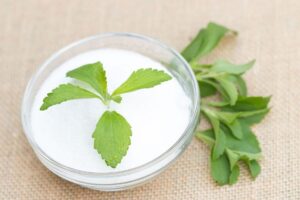
Stevia is a natural, zero-calorie sweetener derived from the leaves of the Stevia rebaudiana plant. Native to South America, the plant has been used for centuries by indigenous communities to sweeten teas and traditional medicines.
What makes Stevia sweet are compounds called steviol glycosides—specifically Reb A, Reb D, and Reb M—which are extracted, purified, and then used to replace sugar in foods and beverages.
Unlike many artificial sweeteners that are lab-synthesized, Stevia is plant-based, making it appealing to both health-conscious and environmentally aware consumers. But being “natural” isn’t always enough to guarantee safety. So, let’s get into the science.
So… Is Stevia Safe?
✔️ Yes—and It’s Backed by Global Health Authorities
Stevia has been thoroughly studied, and here’s what major organizations around the world say:
- FDA (U.S. Food & Drug Administration): The FDA recognizes high-purity Stevia extracts (like Reb A) as GRAS (Generally Recognized As Safe).
- EFSA (European Food Safety Authority): Approved Stevia as safe for daily consumption, setting an acceptable daily intake (ADI) of 4 mg per kg of body weight.
- WHO (World Health Organization): Reviewed decades of research and gave Stevia a green flag for use as a sugar alternative.
That’s not just a passing mention—it’s an endorsement from some of the most stringent food safety bodies in the world.
What About Daily Use?
You may be wondering, “Sure, it’s approved. But can I have it every day?”
The answer: Absolutely—within reasonable limits.
Let’s break down the ADI using an example. If you weigh 60 kg (around 132 lbs), your ADI would be about 240 mg of steviol glycosides per day. Considering that Stevia is 200–300 times sweeter than sugar, you’d need to consume an unusually high number of sweetened products every day to reach that limit.
Most people are well below this threshold, even when consuming Stevia-sweetened beverages, yogurts, or baked goods daily.
Why People Choose Stevia Daily
For Health Reasons
People with diabetes, pre-diabetes, PCOS, or metabolic syndrome prefer Stevia as it doesn’t spike blood sugar or insulin levels. It allows for sweetness without compromising blood sugar control.
For Weight Management
Cutting calories without cutting taste? Stevia helps make that possible. It allows individuals to reduce overall sugar intake, making it easier to maintain or lose weight sustainably.
For Natural Living
Unlike synthetic sweeteners like aspartame or sucralose, Stevia’s natural origin aligns well with the clean-label, plant-based lifestyle that more and more people are embracing.
Who Should Be Cautious?
While Stevia is generally safe, a few people might want to be mindful:
- Allergic Individuals: Rare, but some may have allergies to plants in the Asteraceae family (like ragweed, daisies, marigolds), which includes Stevia.
- People on Medications: If you’re on medication for blood pressure or diabetes, it’s wise to consult a healthcare professional, as Stevia may enhance the effects of these medications.
But again—this is true for many foods and supplements, not just Stevia.
The Bottom Line: Safe, Smart & Sustainable
Let’s be honest: if you’re trying to cut back on sugar, you’re already making a wise move for your health. And Stevia is one of the best companions on that journey. It’s:
- Safe for daily use
- Backed by decades of scientific research
- Ideal for people with dietary restrictions
- Kind to your waistline and blood sugar
- Sustainable for the planet
In a sea of sweeteners, Stevia strikes the rare balance of being natural, effective, and trustworthy. It’s not a fad—it’s a solution.