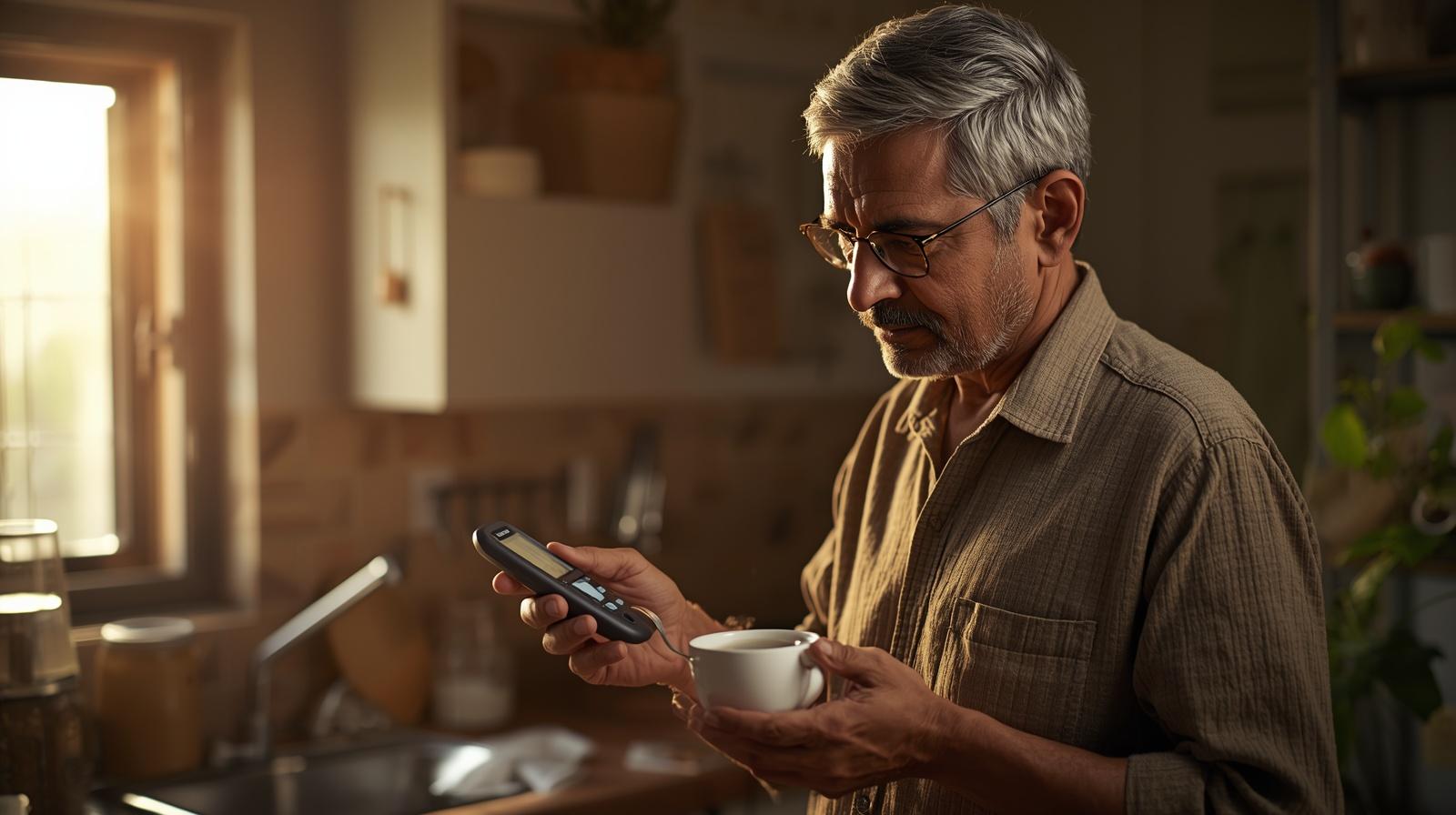
India is home to an estimated 101 million people living with diabetes—the highest burden of any country globally. For this population, every dietary choice carries metabolic consequences, and the search for safe, effective sugar alternatives has never been more urgent. Stevia for diabetics has emerged as a clinically backed, zero-calorie solution that delivers sweetness without the glucose spikes that define sugar consumption. With FSSAI approval under INS 960, growing clinical evidence, and high-purity extracts now available from manufacturers like Steviatech, stevia represents a practical, science-supported tool for diabetic blood sugar management in daily Indian diets. This blog examines the clinical evidence, metabolic mechanisms, practical applications, and safety profile that make stevia a cornerstone ingredient for diabetic-friendly living.
How Stevia Affects Blood Sugar: The Metabolic Science
Understanding why stevia and blood sugar levels have a neutral relationship requires examining its metabolic pathway. Steviol glycosides—the sweet compounds in stevia including Reb A, Reb M, and Reb D—pass through the upper gastrointestinal tract undigested. In the colon, gut bacteria hydrolyse them into steviol, which is absorbed, conjugated in the liver, and excreted via urine. Critically, this process does not trigger glucose absorption or insulin secretion.
Clinical trials confirm this mechanism in practice. A 12-week randomised study in healthy adults found that daily stevia consumption produced no change in oral glucose tolerance test (OGTT) responses—neither glucose nor insulin levels shifted from baseline. More significantly, participants using stevia maintained their body weight (losing 0.22 kg on average), while the control group gained 0.89 kg. For diabetics, this dual benefit—zero glycemic impact stevia plus weight stability—addresses two of the most challenging aspects of metabolic management simultaneously.
Stevia vs Sugar: Why the Glycemic Index Difference Matters
The contrast between stevia vs sugar for diabetes is stark at the metabolic level. Table sugar (sucrose) has a glycemic index of 65, triggering rapid glucose absorption and demanding immediate insulin response—exactly the metabolic cycle that damages diabetic health over time. Stevia has a glycemic index of zero. It contributes no calories, no carbohydrates, and no glucose load.
For Type 2 diabetics managing insulin resistance, this distinction is transformative. Replacing sugar with stevia in daily beverages alone—two cups of chai, a coffee, a glass of lemonade—can eliminate 120–200 calories and 30–50 grams of sugar per day. Over weeks and months, this reduction supports improved HbA1c levels, reduced medication dependency, and better overall glycemic control. Some research even suggests stevia may improve insulin sensitivity, though more large-scale human trials are needed to confirm this effect.
Practical Guide: Using Stevia in an Indian Diabetic Diet
Integrating stevia in diabetic diet India requires understanding both conversion ratios and cultural food contexts. In liquid form, 5–6 drops of high-purity stevia extract replace one teaspoon of sugar in tea or coffee. In powdered form, approximately one-quarter teaspoon equals two teaspoons of sugar. These ratios vary slightly between brands, making standardised extracts like Steviatech’s INSTEVIA® particularly valuable for consistent sweetness.
Daily applications span the full Indian meal cycle. Morning chai and coffee are the simplest entry points—replacing sugar with stevia drops delivers familiar sweetness at zero glycemic cost. Buttermilk (chaas) and lassi can be sweetened naturally, making these probiotic-rich beverages fully diabetic-compatible. For cooking, stevia works well in chutneys, raitas, and salad dressings where sweetness balances acidity. In dessert preparation, stevia-based sweetening of kheer, shrikhand, or fruit-based mithais allows diabetics to participate in festive and family meals without compromising their dietary goals.
Stevia Safety for Diabetics: What the Evidence Shows
The question “is stevia safe for diabetics” is answered comprehensively by global regulatory authorities. JECFA, US FDA (GRAS status), EFSA, and FSSAI all approve high-purity steviol glycosides for consumption within established limits. The acceptable daily intake is 4 mg/kg body weight per day expressed as steviol equivalents—for a 70 kg adult, this translates to approximately 12 packets of stevia sweetener daily, well above typical consumption patterns.
Specific safety concerns relevant to diabetics have been addressed in clinical literature. Stevia does not cause hypoglycemia—it does not lower blood sugar below normal levels, making it safe even for patients on metformin or insulin therapy. Digestive side effects occasionally reported with stevia blends are typically attributable to added sugar alcohols (like erythritol or sorbitol) rather than pure steviol glycosides. Steviatech’s high-purity extracts avoid these fillers, delivering clean sweetness without gastrointestinal compromise.
Stevia and Diabetic Medications: Compatibility Considerations
Diabetics often manage multiple medications—metformin, glimepiride, insulin, and sometimes blood pressure drugs. Stevia with diabetic medication compatibility is well-established in clinical practice. Steviol glycosides do not interfere with metformin absorption, insulin action, or sulfonylurea metabolism. However, because some studies suggest stevia may modestly lower blood pressure, patients on antihypertensive medications should monitor readings when first introducing stevia and consult their physician if adjustments are needed.
As with any dietary change for diabetics, gradual introduction is advisable. Start with one or two beverages per day sweetened with stevia, monitor blood glucose response, and expand usage as comfort and clinical markers permit. This measured approach ensures individual tolerance is confirmed before full dietary integration.
Choosing the Right Stevia for Diabetic Use
Not all stevia products are equal for diabetic consumers. The best stevia for diabetics is high-purity steviol glycoside extract—specifically Reb M or Reb D variants—without maltodextrin fillers, dextrose bulking agents, or sugar alcohol additions that can reintroduce glycemic load or digestive issues. Label reading is essential: products marketed as “stevia blend” may contain ingredients that spike blood sugar.
Steviatech’s INSTEVIA® and TASTEVIA™ extracts are manufactured under GMP conditions with HPLC-verified purity at 95%+. These pharmaceutical-grade extracts contain no fillers, no artificial additives, and no hidden sugars—delivering exactly what diabetic consumers need: pure sweetness, zero glycemic impact, and complete ingredient transparency. For households and food manufacturers serving diabetic populations, sourcing verified high-purity stevia is non-negotiable.
Building a Sustainable Diabetic Lifestyle with Stevia
Managing diabetes is a lifelong commitment, and stevia for diabetes management fits naturally into sustainable dietary patterns. Combined with whole grains, high-fibre vegetables, lean proteins, and regular physical activity, stevia-sweetened beverages and foods enable diabetics to enjoy dietary variety without glycemic consequences. The psychological benefit—being able to enjoy sweet-tasting foods and drinks without guilt or medical risk—supports long-term dietary adherence, which is where most diabetes management plans succeed or fail.
As India’s diabetes burden grows, accessible and effective sugar alternatives become public health necessities. Stevia—backed by clinical evidence, regulatory approval, and now manufactured at scale by Indian companies like Steviatech—represents one of the most practical tools available for millions of Indian diabetics seeking better health outcomes without sacrificing the sweetness that defines so much of Indian food culture.
To explore diabetic-friendly stevia extracts or discuss bulk supply for healthcare and food formulations, connect with Steviatech at www.steviatech.com and take the first step toward sugar-free sweetness.